Control Resonant has become Remedy’s fastest-selling game, and the company’s November 3 business review shows how strongly its launch affected the quarter. Revenue reached €39.6 million, compared with €12.2 million a year earlier, as the sequel’s preorders and first seven days on sale entered the reporting period.
The dates matter. The digital game launched on September 24; the quarter closed at the end of that month. Remedy announced sales exceeding one million copies on October 15, when the physical edition also arrived. The million-copy milestone therefore comes after the quarter covered by the revenue figures.
A larger launch, with a narrower profit margin
The company’s published business review records operating profit of €0.6 million, equivalent to a 1.5 percent operating margin. Revenue and profit are different measures: the large increase in sales income does not mean an equally large amount remained after expenses.
Remedy identifies this as its first self-published release at this scale. It also reports that close to half of Resonant players are new to Control, with roughly 2.4 million outstanding wishlists. Those are useful indicators of audience reach and potential interest, but a wishlist is not a sale and does not establish when somebody will buy.
The report’s early sales window limits the conclusions that can be drawn about the game’s longer commercial life. A strong opening can demonstrate demand without settling how discounts, continued visibility or later releases will affect sales. The remainder of the year will contain a much longer period of Resonant’s availability than the third quarter did.
A different lead and a different combat emphasis
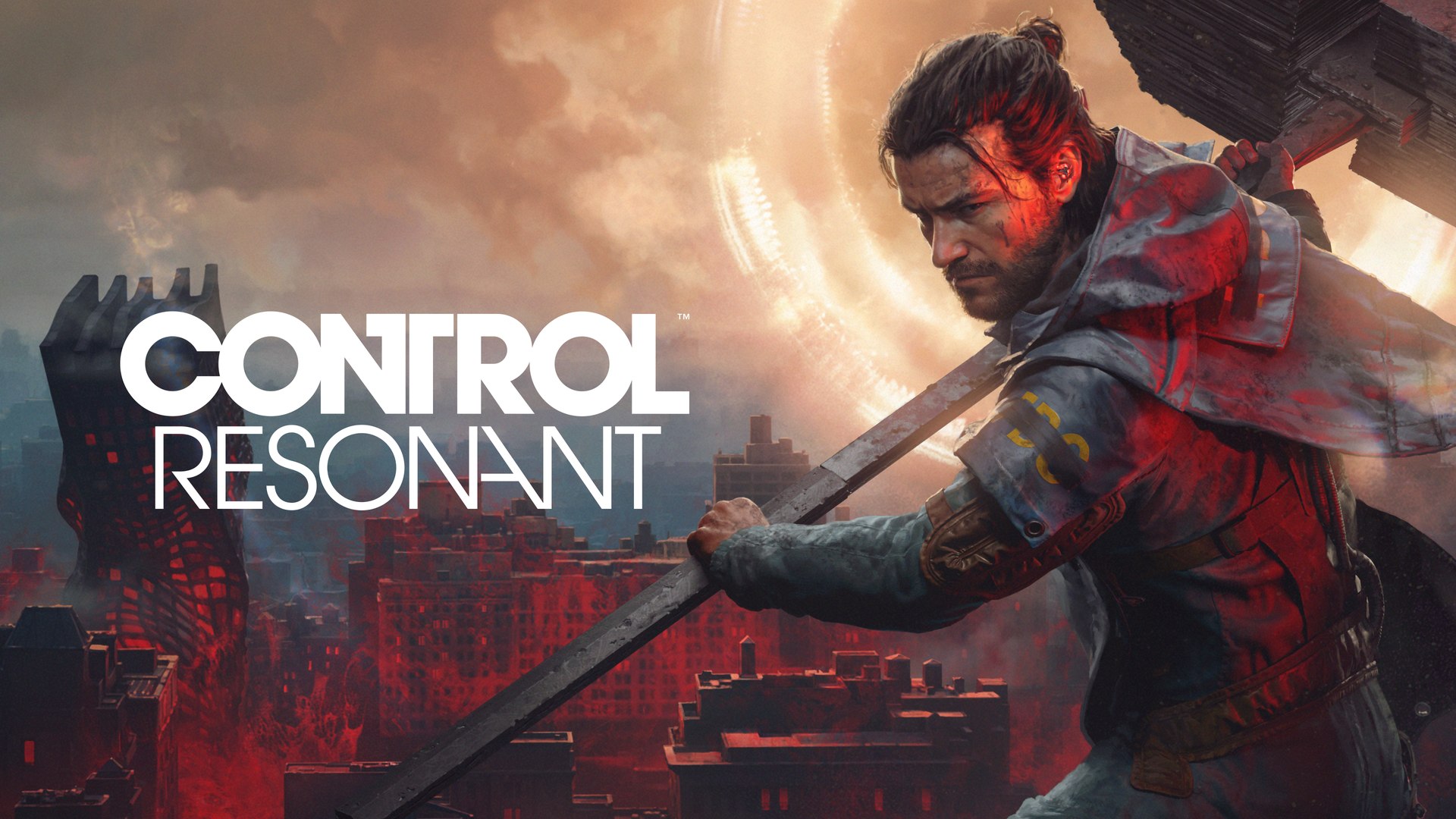
Resonant also changes the playable perspective. The first Control followed Jesse Faden into the Oldest House; the sequel puts her brother Dylan at the center of a wider paranormal crisis. Xbox’s official gameplay preview describes him emerging into a transformed Manhattan with a shapeshifting melee weapon, the Aberrant.
That weapon supports different forms for light attacks, heavy attacks and finishers. The preview illustrates options ranging from rapid close-range weapons to wider swings and heavier strikes. These build choices help explain the game’s action-RPG positioning without requiring familiarity with the previous protagonist’s exact abilities.
They also provide context for Remedy’s stated aim of expanding the audience. A sequel can preserve its setting while offering a different combat proposition. The reported newcomer share is consistent with a wider audience, although the company’s figures do not identify which individual feature persuaded those players to purchase.
Commercial news, rather than a content announcement
The November report does not supply a new expansion date or a detailed post-launch roadmap. Its immediate subject is the launch’s business contribution and the audience reached so far.
For players following Remedy’s connected games, the result establishes that Resonant has brought substantial attention and revenue to the studio’s own franchise. It does not turn every stated business opportunity into a confirmed game feature. The clearest distinction is between the release already available to buy, the sales milestone already announced, and the further audience Remedy still hopes to reach.
Have a correction or a useful perspective?
Get in touch with the publication.