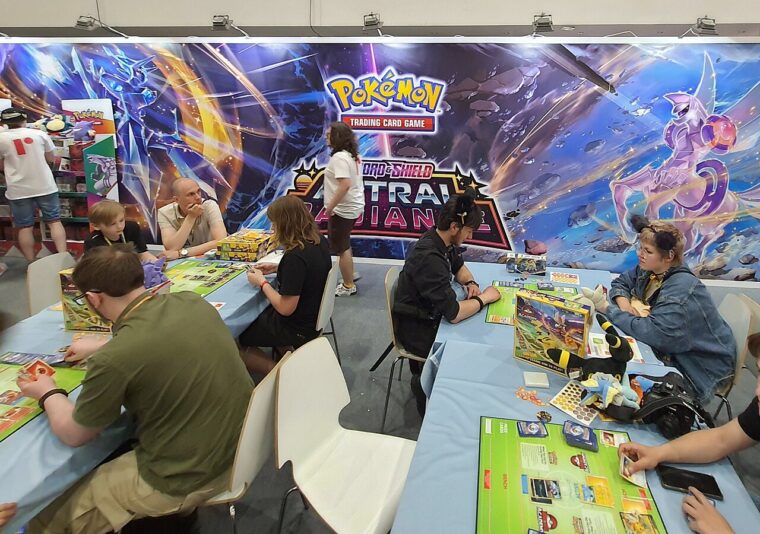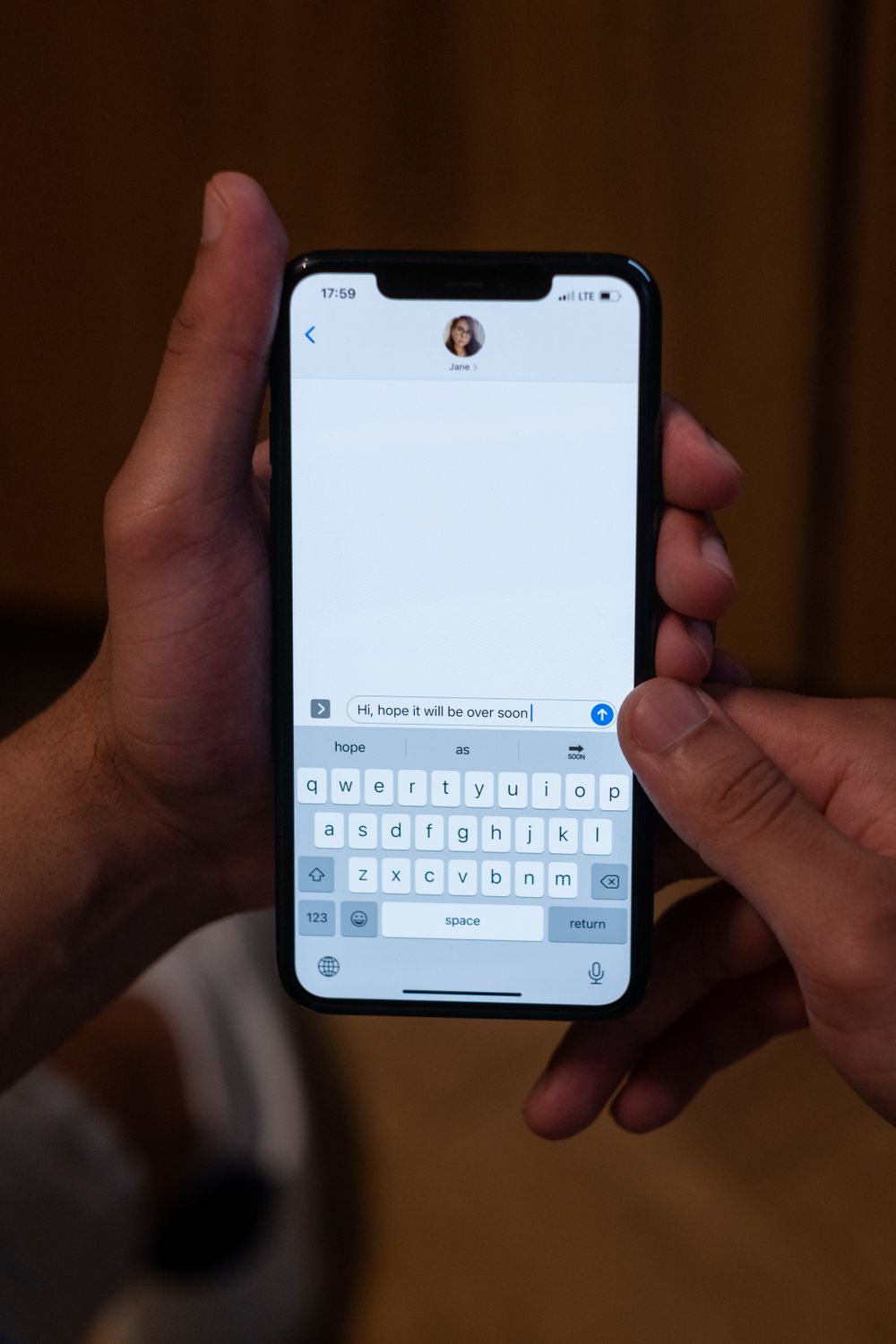
For Singapore learners who joined Duo’s Pokémon Party on launch day, Monday, November 23, is the first day a lesson can earn them research in Pokémon GO. It marks their seventh qualifying date in Duolingo. After the lesson, they can collect a code, sign in to the Pokémon GO web store and redeem it for tasks in the game. On any of the first six days, Duolingo could count a visit from someone who studied and closed the app. The seventh gives both partners a chance to see whether that learner will make a second stop to play. [1] [2] [3]
What Duolingo gets from a game partnership
In a letter to shareholders, Duolingo credited two earlier game partnerships, with Brawl Stars and Eggy Party, with bringing millions of new and returning users to the learning app. Players saw Duo, its owl mascot, inside those games and could get rewards for learning. The company gave shareholders a combined figure, leaving open how many users came from each game and how many had used Duolingo before. The Pokémon campaign offers another test of that approach, this time with an observable step in the other direction when a learner redeems a code in the game store. [1] [4]
The company averaged 64.9 million daily active users in the quarter ended September 30, up from 50.5 million a year earlier. Its monthly figure reached 153.1 million, compared with 135.3 million a year before. Duolingo tells shareholders that daily activity is its primary engagement measure. The way the Pokémon quest counts lessons gives players a reason to show up on more than one day. A learner who does seven lessons on Monday can get through plenty of material but cannot earn seven dates of credit for the crossover. A lesson on Tuesday earns a second date of credit. None of the September figures include this promotion, which began in November. [1] [4]
The partners are also reaching people who already use one app and have yet to try the other. Someone who already uses Duolingo can dress an avatar in the language app before deciding whether a trip to a game store is worthwhile. Someone who already catches Pokémon has a specific reason to try a lesson even if the avatar outfits hold little appeal. A lesson in any course counts. There is no requirement to enroll in a particular language first or to match a course to the language later selected for the game. Apple's Singapore listing presents the offer to local users as a daily challenge inside the Duolingo app. [1] [2]
Why the code and the outfits arrive on different days
The November 17 launch at 10 a.m. in Japan fell at 9 a.m. in Singapore. For a learner who completed a qualifying lesson that Tuesday and kept going each day, Sunday was day six. A lesson on Monday, November 23, supplies the seventh date for that participant. A learner who began two days later, on November 19, could reach seven on November 25. Those dates follow from the published rules and the learner’s start date. They establish when someone in Singapore could qualify even though the partners have not identified who received the first code worldwide. [1] [2]
Apple's editorial feature describes a nine-day sequence for all four avatar outfits, including looks based on Chatot and Pikachu. The game operator specifies seven days for the code. A player who gets the code and leaves Duolingo at that point may still have a reason to return for the remaining outfits. The outfit stays with the learner’s Duolingo avatar. A Pokémon encounter requires a separate trip into the game. Each company can deliver a reward to its own users without asking them first to complete everything on the partner's side. The web redemption step is where those two routes meet. [1] [3] [5]
The store asks users to log in with the credentials they use for Pokémon GO, then enter the code. That detail matters in a household where more than one person plays on a shared device. A learner in that household can check which trainer account the store shows before submitting the code. The store's support page also says that child accounts managed through Kids at Scopely Explore have sponsored content disabled by default. A parent has to grant the relevant permission for a child to redeem sponsored offers. A child may therefore finish every qualifying lesson in Duolingo and still need a parent’s help at the game store. [1] [3]
What learners can claim in Pokémon GO
A successful redemption opens event-themed Timed Research. The player chooses a language for the tasks, and Professor Willow can provide hints. The game lists experience and Stardust among the rewards, as well as encounters with Pikachu, Meowth, Chatot and Lucario with a special background. The code gives players access to the tasks. They still have to complete the research to earn the encounters, and chance determines whether they find a shiny Pokémon. [1]
Once the research is over, part of the promotion stays attached to the catch. Certain Pokémon obtained through these tasks have a language tag on their summary page. Tapping it shows the Pokémon's name in different languages. Players can choose a language for Willow's instructions beforehand, then explore the names on a Pokémon they have caught afterward. The partnership reaches players once through a time-limited task and again whenever they revisit the name on a Pokémon in their collection. [1]
Enrollment closes first, on December 21 at 11:59 p.m. local time. People already in the quest can finish their qualifying lesson days and claim their Duolingo rewards up to December 29 at 11:59 p.m. local time. After that comes a separate cutoff in Pokémon GO. The game's Timed Research must be completed and its rewards collected by December 31 at 11:59 p.m. local time. A learner joining on December 21 can still fit seven lesson dates into the remaining window. Someone contacting support in the final weekend needs to know which enrollment or claim they missed. [1]
Someone counted as a daily Duolingo user today may stop after the lesson. Another person may collect the code and come back to the web store in December. Even a successful redemption leaves the research itself to do. Daily users, redeemed codes and completed research would each tell the partners something different. Someone can count toward the first measure without visiting the store, or toward the second without ever finishing the research. The earlier mobile partnerships have a combined user figure in Duolingo's shareholder letter. The published terms for this one give Singapore's launch-day learners a date to collect their code, while leaving the number who make the trip undisclosed. [1] [2] [4]
Sources
[1] Pokémon GO, Catch a new language with Pokémon GO and Duolingo
[2] Singapore App Store, Join Duo's Pokémon Party
[3] Pokémon GO Web Store, Redeeming Pokémon GO offer codes
[4] Duolingo, Q3 2026 shareholder letter filed with the SEC
[5] Apple App Store, Earn Pokémon Rewards in Duolingo
Have a correction or a useful perspective?
Get in touch with the publication.